How much does brand protection cost? A guide for e-commerce brands
Explanation on how much brand protection costs for e-commerce brands. Comparing platforms like BrandShield, NetCraft, Red Points and BehindLink.
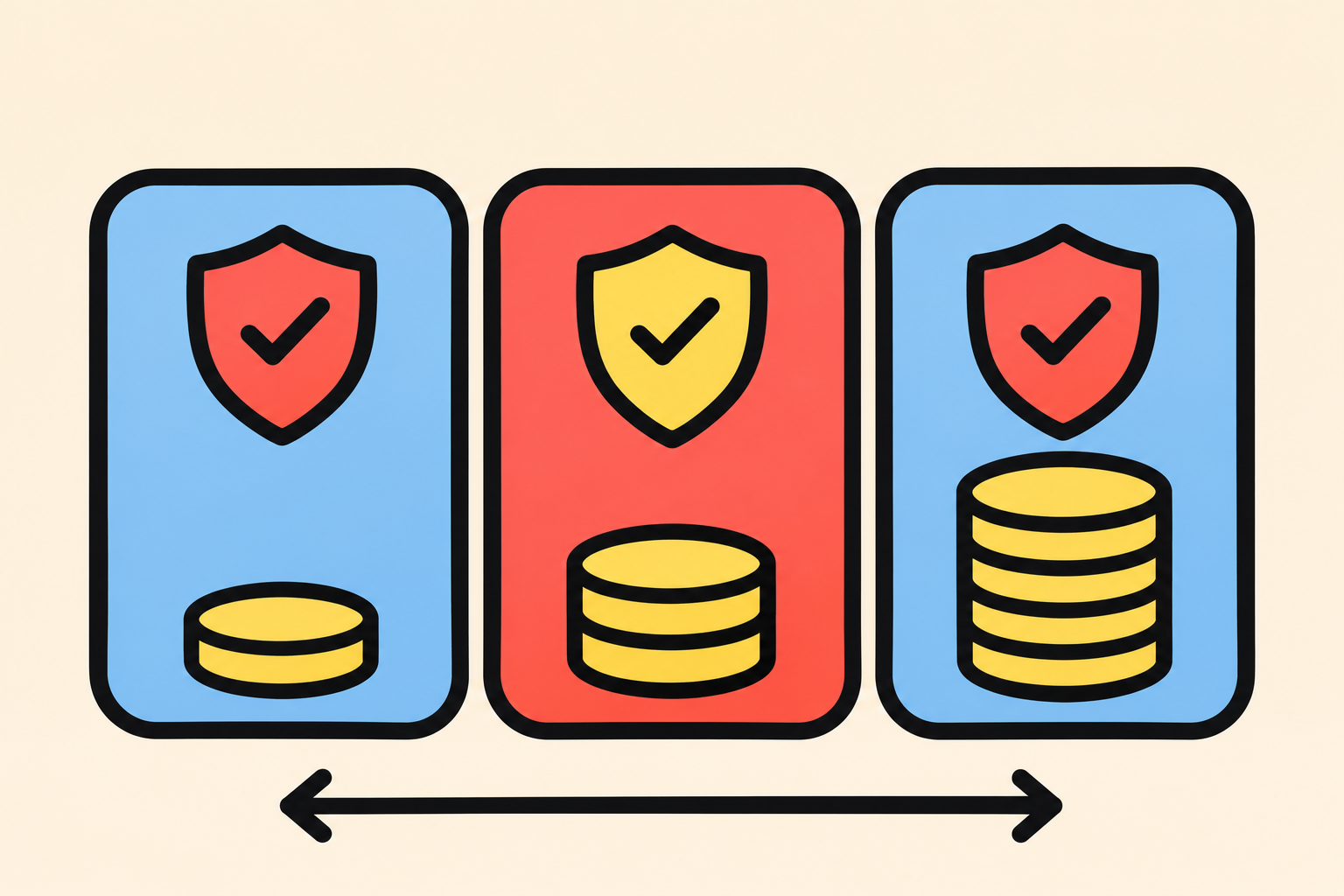
Brand protection may sound like something that only the largest companies can afford or even need. However, even small e-commerce stores can be copied and those copies are often used for phishing, scamming and other activities that may damage your brand’s reputation.
Luckily, brand protection budgets can start even below €100 a month for focused monitoring. Of course, huge brand protection packages may reach five figures annually for managed enforcement, but usually only really large businesses usually need that.
The difference of the pricing depends on the threats covered and how much work the provider handles, but it shouldn’t depend on the quality of work and protection you are getting.
Your choice should depend on the number of fakes you’re encountering
For an e-commerce owner, the first budgeting decision is whether you need help finding suspicious sites or a service that also pursues their removal. Marketplace counterfeit investigations can make the services even more expensive.
Whether you need that or not, usually depends on how many fake websites you’re seeing. If it’s just one or two per month, you might have enough time to take them down yourself. However, if it’s more than five, it starts to become a serious issue that would waste too much of your time if you are not a professional.
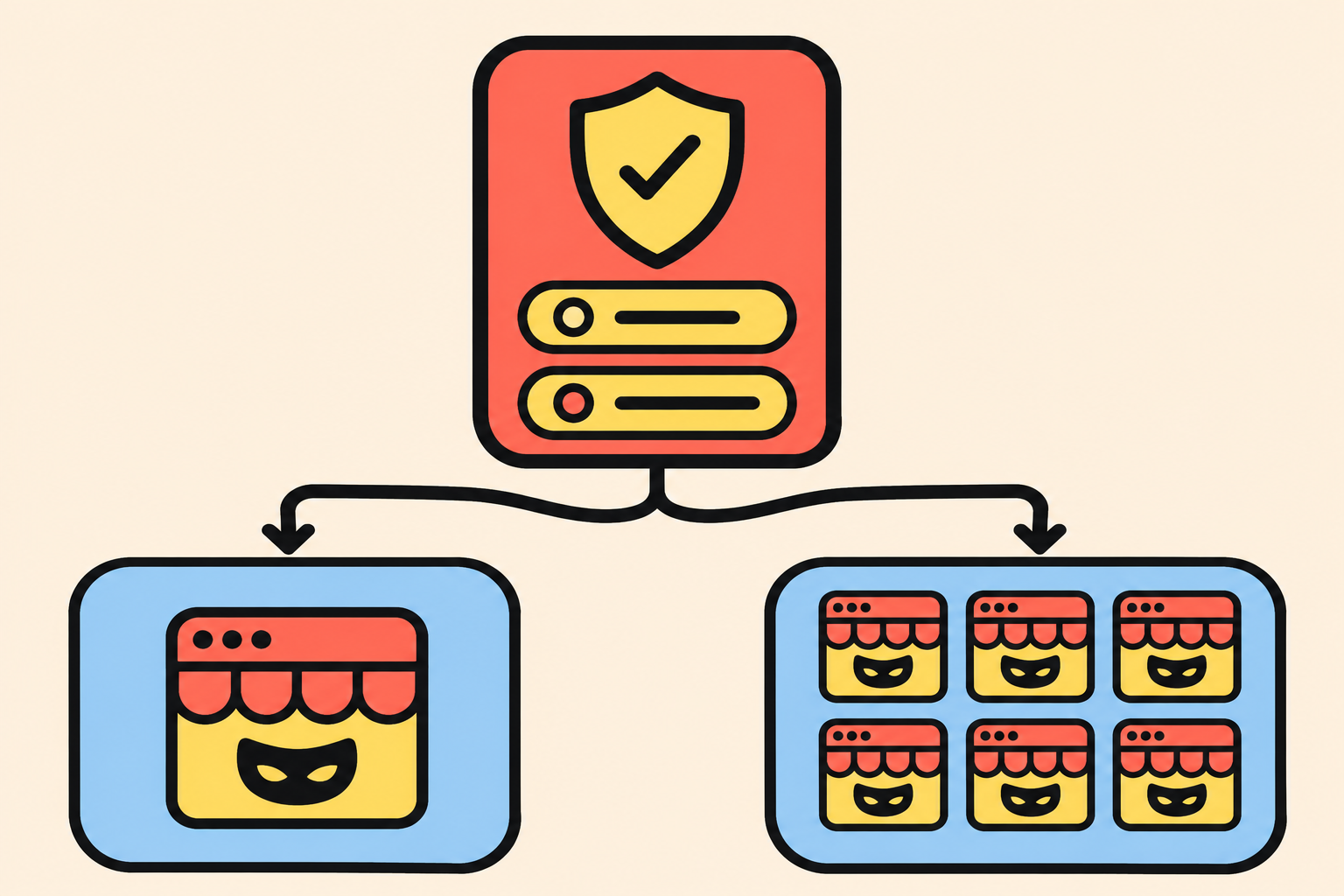
What the subscription actually pays for varies:
- Monitoring searches for misuse across the channels included in your plan. This usually doesn;t include Amazon listings or paid social media ads.
- Human verification checks whether a match is actionable. Ask who distinguishes a scam shop from an authorised reseller before a complaint is filed. Once again, in some cases you can do it yourself, but it’s not always worth your time.
- Takedown management covers evidence preparation and reporting. Rejected complaints and follow-ups could receive different treatment.
- Broader counterfeit protection can include test purchases or even legal escalation.
The workload can be substantial. Working with larger brands, we see that there’s a possibility of hundreds of fake listings every month. Most of them can be taken down automatically, but if you are on your own, that’s a big problem. Takedown capabilities become an important factor as you evaluate different service plans.
Price comparison of different brand protection services
Red Points publishes a $938 monthly platform fee in its self-service section, before trademark and marketplace charges. Its checkout specifies a $1,250 minimum, giving buyers an approximate starting budget of $15,000 annually. The page states monthly billing and no setup fees.
The configurator focuses on counterfeit protection, with fake website protection available as an addition. It advertises unlimited detections and takedowns within the selected coverage. Broader custom packages require you to contact the company.
BrandShield lists its Managed Anti-Phishing Solution on AWS Marketplace at $22,000 for a 12-month contract, so, around $1,833 a month.
That includes unlimited takedowns, a limited allowance of premium managed takedowns and 24/7 security operations support. This is a defined anti-phishing package but wider counterfeit or marketplace protection remains behind the doors of a meeting you’d have to set up with the company.
Netcraft’s G-Cloud 14 marketplace listing shows cybercrime detection and disruption starting at £12,000 annually. However, the pricing still dates to 2022 and applies specifically to UK public-sector procurement. That’s enough to understand that Netcraft is mostly a pretty expensive enterprise choice, although for exact numbers, you’d have to ask for a quote.
BehindLink addresses a specific e-commerce problem: fake websites selling as your business, along with related scam ads and impostor accounts.
We offer Domain watch at €79 per brand per month, before VAT. It monitors new web addresses using your name and provides confirmed cases with evidence, CSV downloads and alerts. The allowance includes 100 checks monthly of sites you submit. Your team files the reports.
Watchdog plan adds takedown filing, fake ads and impostor accounts, with monthly statistics and dated case histories. The founding offer is €199 per brand per month for the first 10 brands, with that rate locked for 12 months, but the price will rise to €399 when that group is full.
BehindLink is relevant when your immediate need is to find and report fake websites pretending to be your store, and you don’t want to overpay for a bunch of other features and services you don’t use.
What to know before fully committing for brand protection?
Check which brands, countries and marketplaces the contract covers. If you own several brands or scammers target your customers in different markets, protecting them all may cost extra with some services. Also check the minimum contract term: paying monthly does not necessarily mean you can cancel each month.
Before signing, get answers to these questions:
- What are the limits of the service? Is a cloned store with 200 product pages one case or 200? Do its advertising accounts count separately?
- What happens when takedown attempts fail? Does submission consume a credit or some other quota? Are follow-up attempts included, and is there any refund or replacement credit/quota?
- How are returning scams charged? Does a reappearing listing reopen an existing case or start another paid request?
- What counts as success? Website removal, search delisting and a browser warning produce different outcomes. Ask which result appears in the provider’s reporting.
- Can you cancel? Confirm the minimum term, notice period, automatic renewal and treatment of prepaid fees. Also establish what happens to unresolved cases when the subscription ends.
For a store encountering impersonation, BehindLink’s free check gives you an opportunity to see how big the problem is, and becomes a practical starting point before choosing a subscription.